The Weight of Inequality
How inequality drives type 2 diabetes in South Africa


Choice
Inequality
Evidence
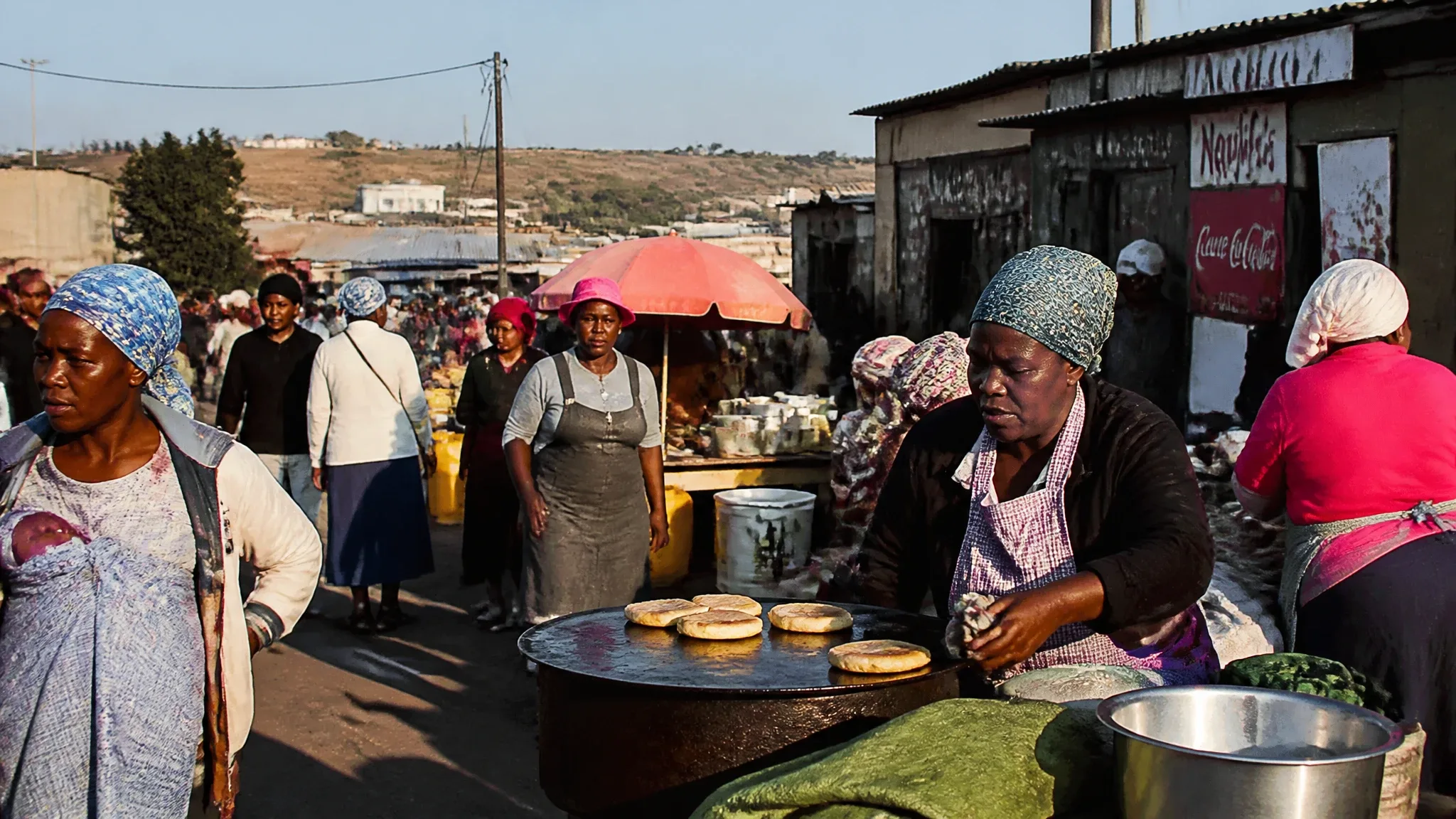
For decades, type 2 diabetes was framed as a disease of poor individual choices.
The lifestyle story
According to the Diabetes Alliance, Type 2 diabetes affects almost 4 million South Africans. For years, the dominant explanation has been lifestyle: what people eat, whether they exercise, the choices they make every day.
The lifestyle explanation is not wrong. But it ignores South Africa's pervasive socio-economic inequality and frames choices as a matter of willpower.
What drives type 2 diabetes
Food access
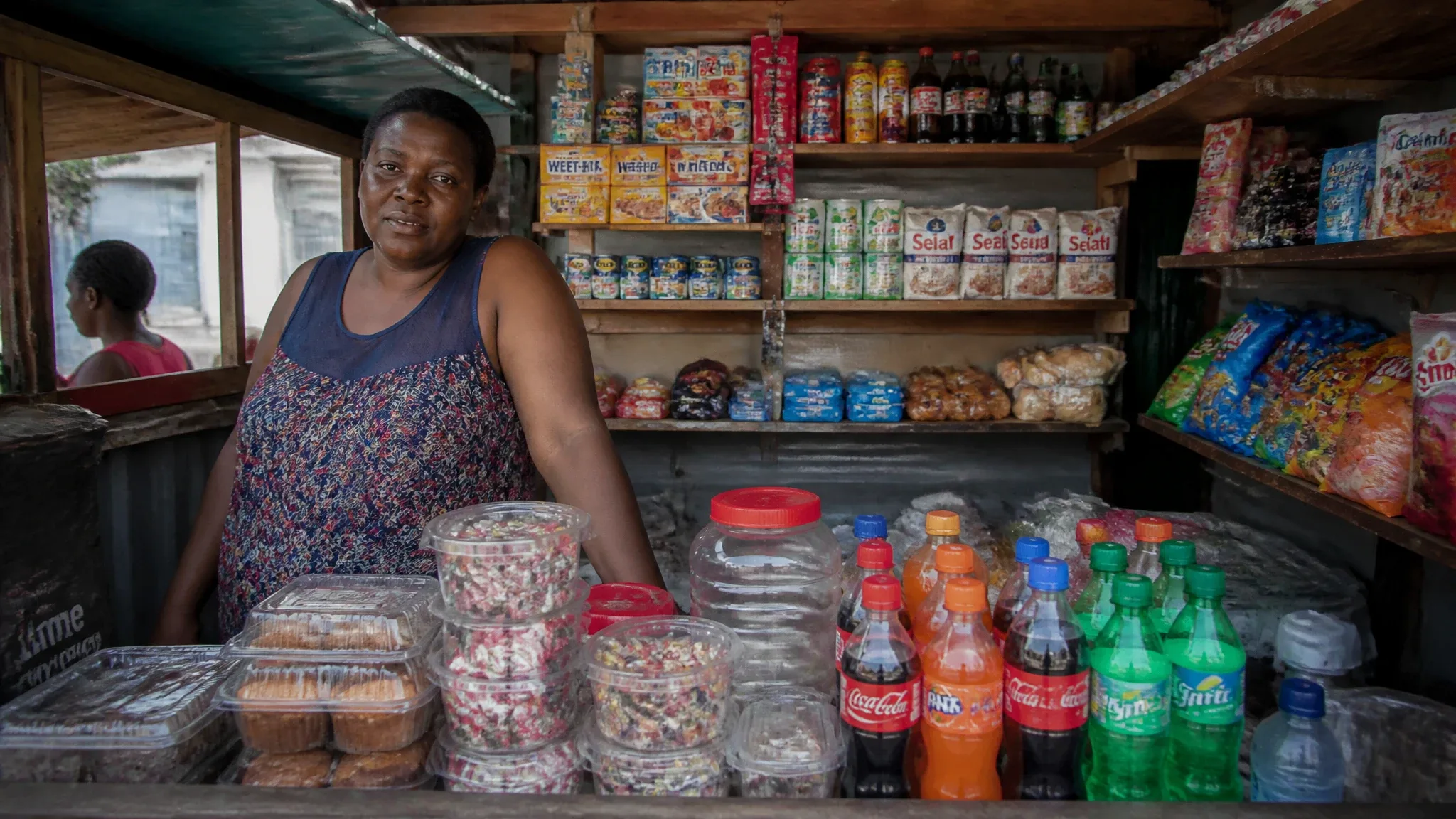
What you can afford and what is sold near you shapes what you eat.

Income and work
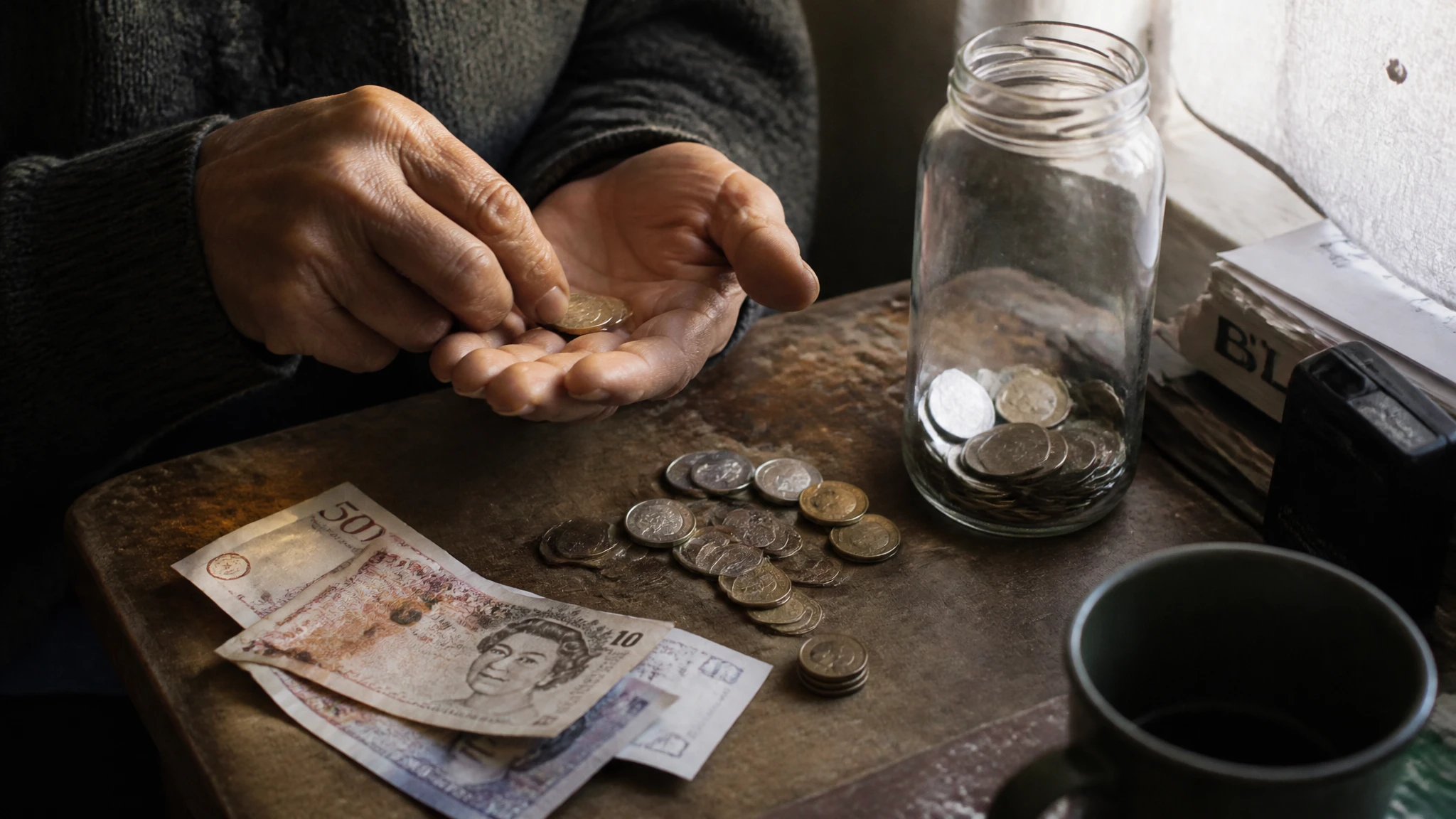
Low wages and precarious work leave little money or time for health.
Built environment
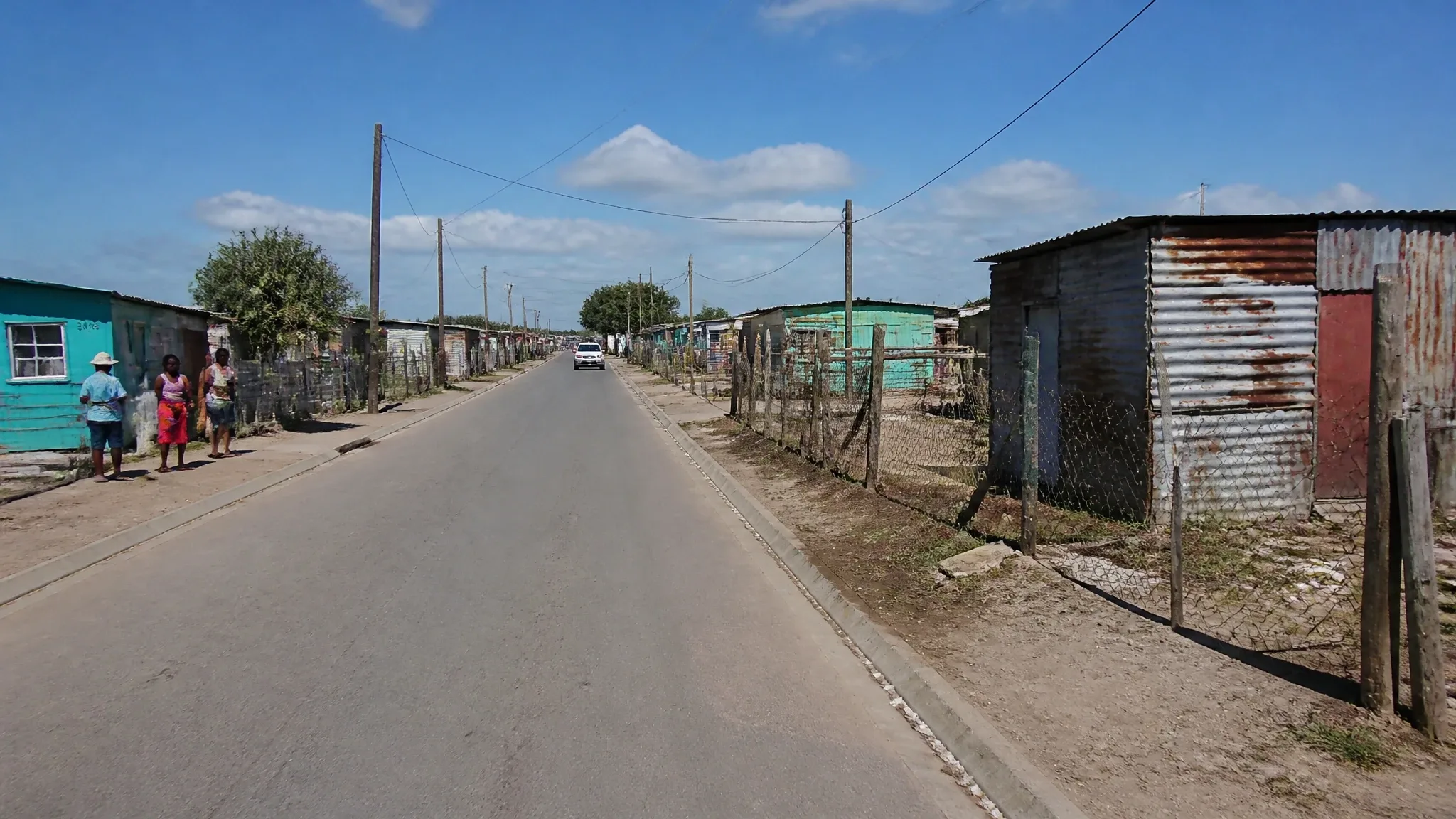
Where you live determines access to clinics, safe spaces to move, clean water.
Early life
Conditions before birth and in childhood shape metabolic health decades later.

The food environment
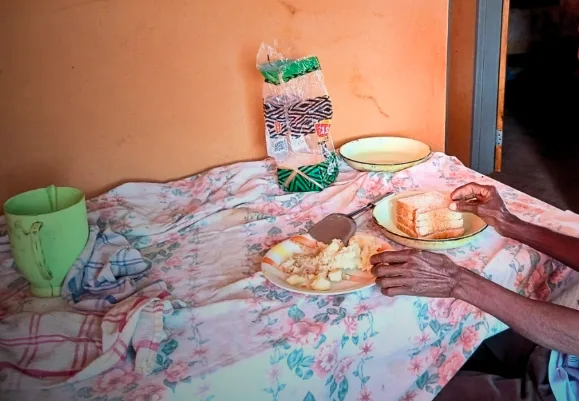
Research shows food insecurity is associated with higher rates of type 2 diabetes. When people cannot reliably afford or access nutritious food, their metabolic health suffers. The body's ability to regulate blood sugar depends on consistent, quality nutrition.
The relationship runs both ways. Diabetes can also worsen food insecurity because managing the disease is costly. Expenses like medication, test strips, and clinic transport squeeze already tight budgets.
This is not about people making bad choices. It is about the choices inequality makes available. When the nearest fresh food is not within walking distance, or costs double or triple what processed options do, the decision is already made.
Income and precarious work
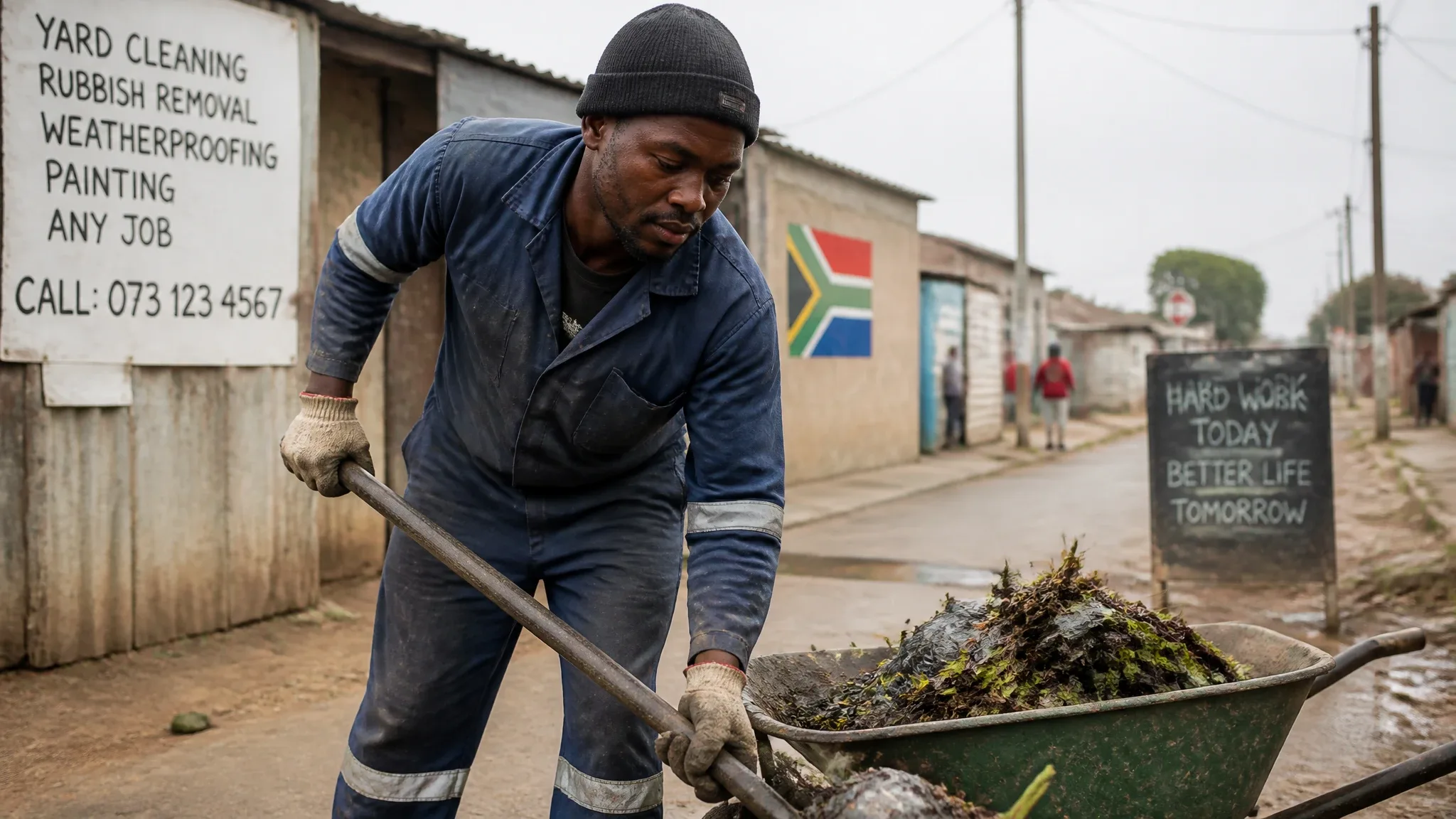
Low-paid, unstable work is associated with higher diabetes risk. Shift work disrupts sleep and eating patterns, making it difficult to maintain regular meal times or get adequate rest. Physical labour can be exhausting yet offers no time for deliberate exercise. The end of a long shift for a delivery driver or domestic worker leaves little energy for a gym session.
Where you live
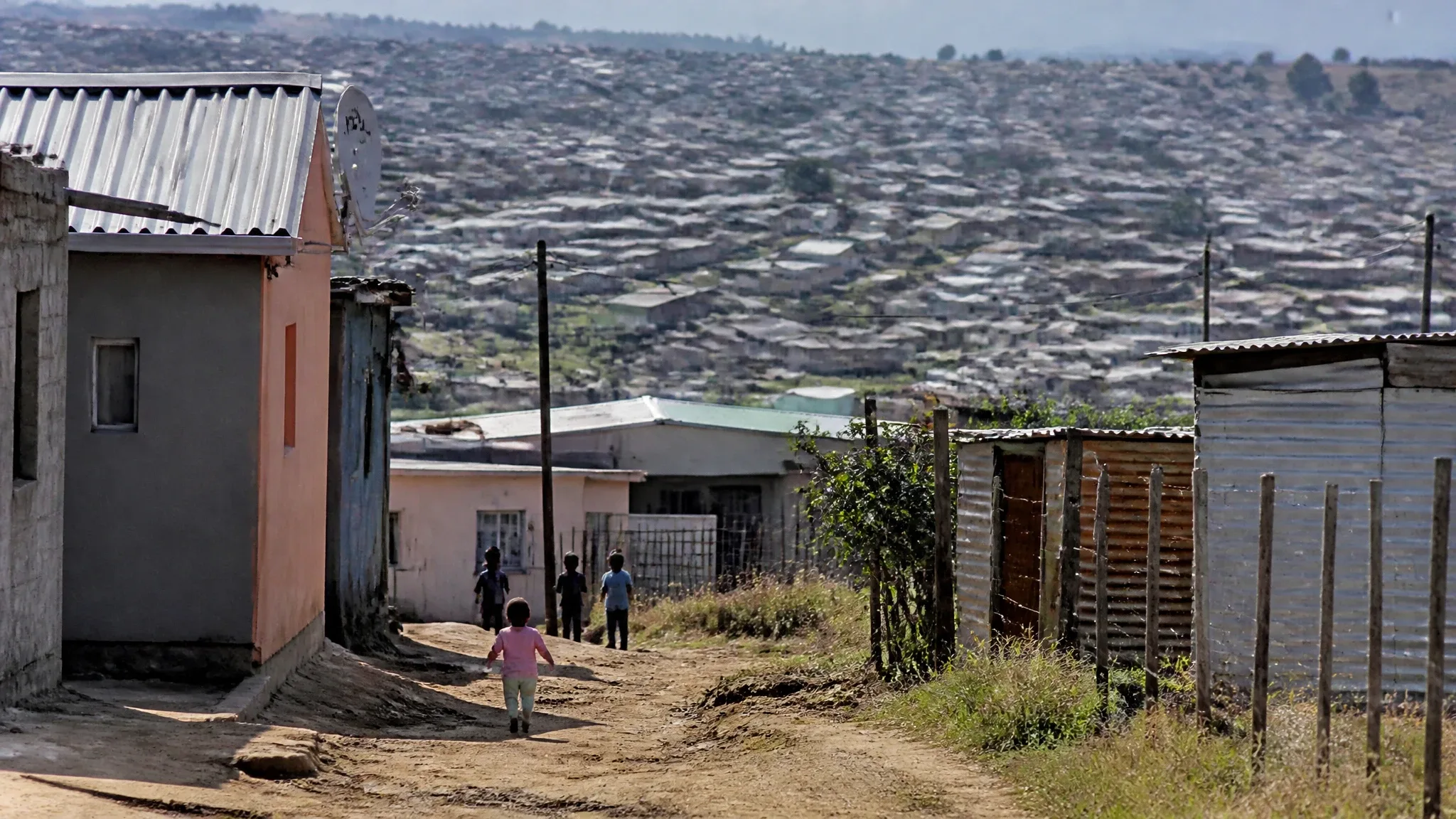
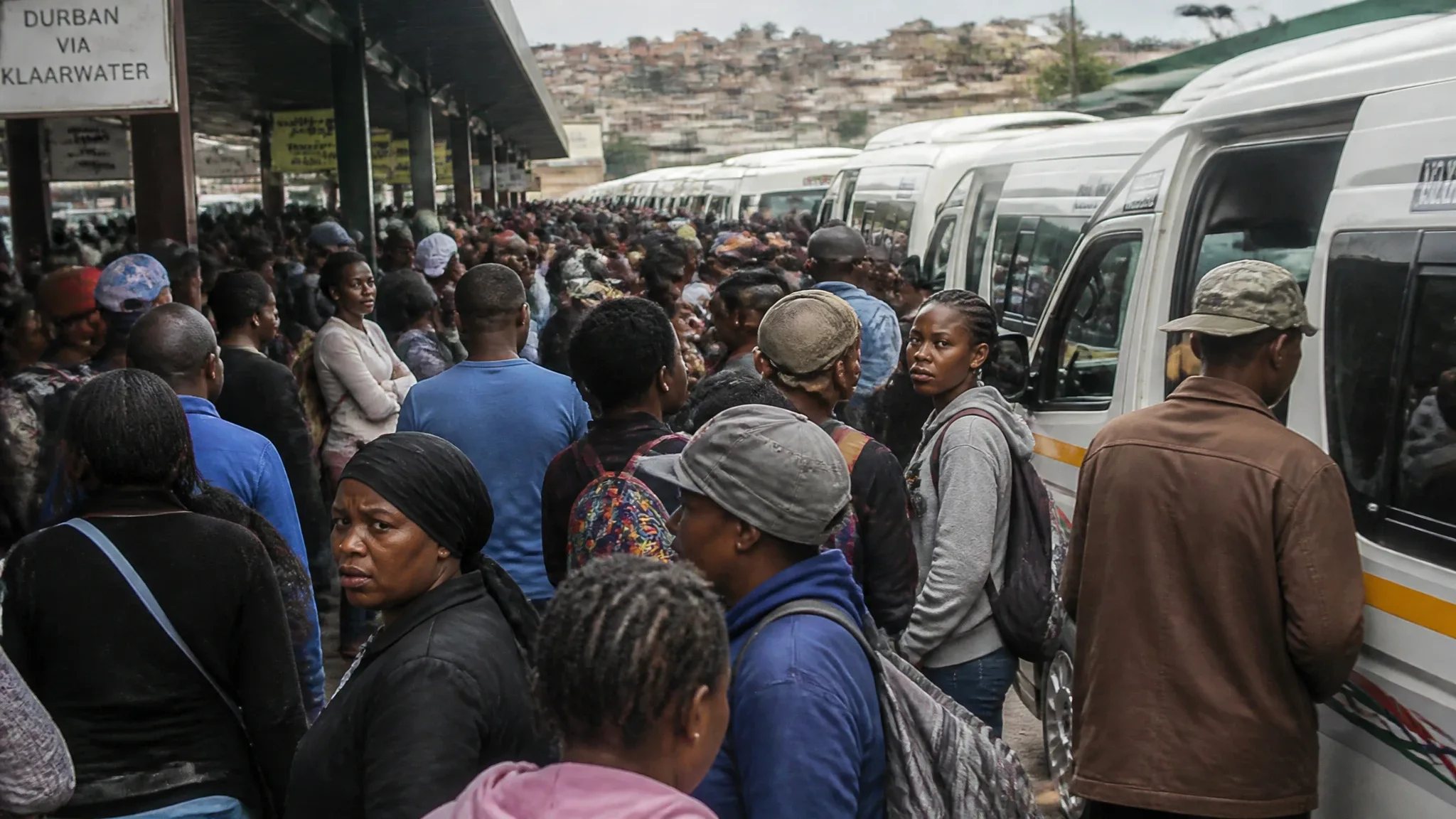
The places where people live shape their health in profound ways. Access to clean water, safe public spaces, clinics, and reliable transport all affect diabetes risk and management. The built environment — the physical infrastructure and spatial organisation of our communities — can either support health or undermine it, and for many South Africans, the odds are stacked against them.
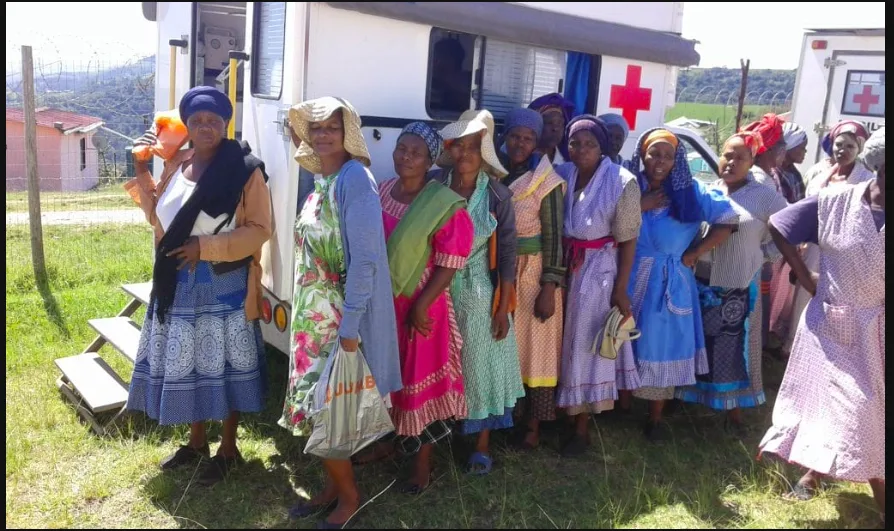
Research shows that people living far from health facilities are less likely to receive timely diabetes screening and care. In rural areas, transport costs to access health care can be prohibitive. This leads to missed appointments, delayed diagnoses, and complications that could have been prevented.
Spatial inequality in South Africa is a direct legacy of apartheid planning, which deliberately pushed Black South Africans to the urban periphery, far from jobs, clinics, and services. Decades after the formal end of apartheid, the geography of exclusion remains. Townships and informal settlements are still located on the margins, often without adequate water, sanitation, or healthcare infrastructure.
The lack of infrastructure like pavements and parks makes physical activity harder and less safe. When there are no safe walking routes, no recreational spaces, and no streetlights, exercise is not a matter of motivation. This is structural, not individual. When the built environment is hostile to health, asking people to simply 'make better choices' is not only unhelpful, it is unjust.
The long reach of early life
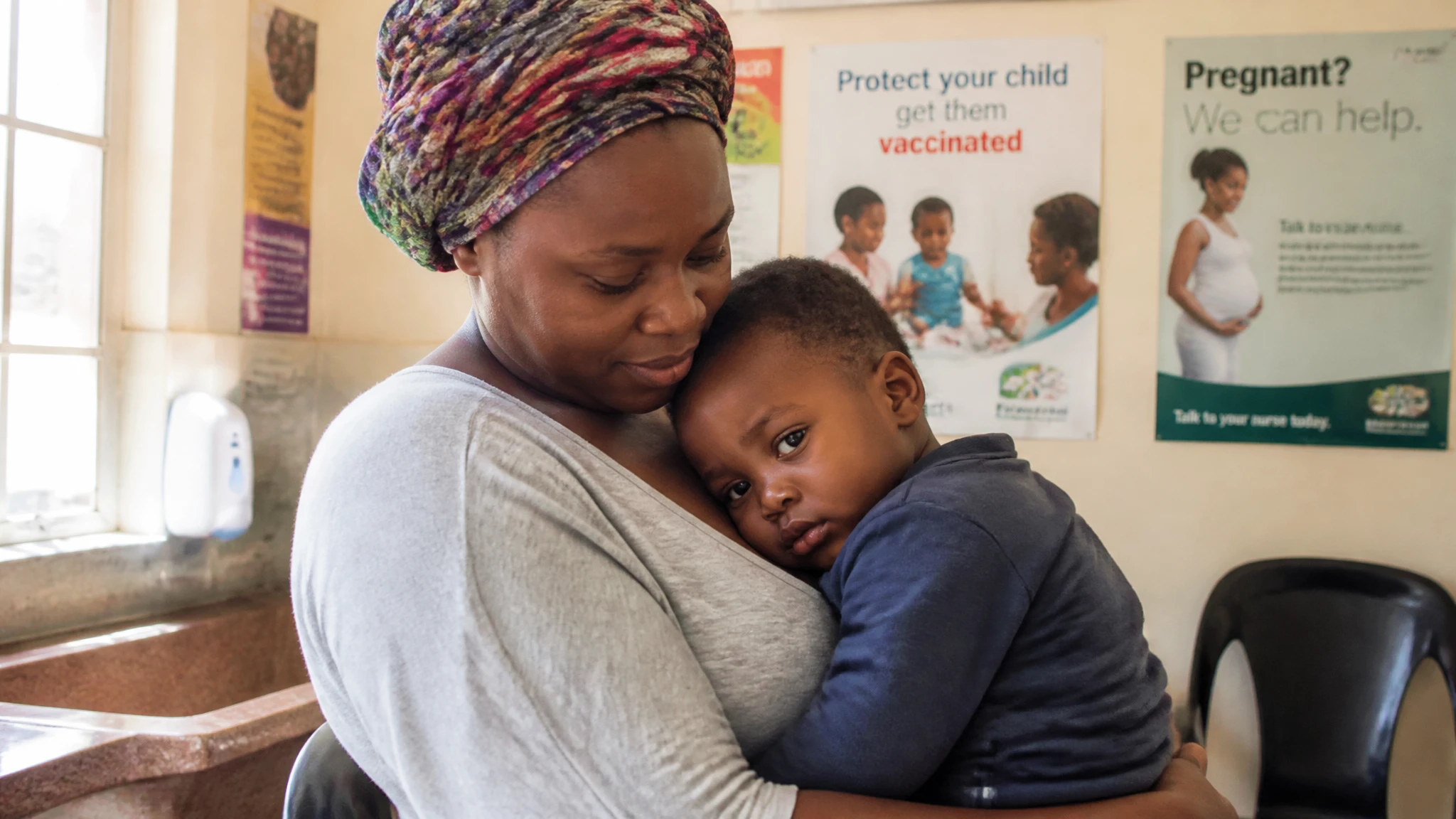
Conditions before birth and in early childhood shape metabolic health decades later. Maternal undernutrition, low birth weight, and childhood poverty are all associated with higher adult diabetes risk.
This means diabetes risk for many South Africans was shaped long before they made their first food choice as adults. It was determined by the poverty and inequality their mothers and grandmothers faced — a biological inheritance of social injustice that persists across generations.
Questions, answered
Common questions about diabetes and social determinants in South Africa.
About this story
This story is part of a series by Health-e News, in partnership with the Diabetes Alliance. The Diabetes Alliance does not control our editorial decisions. Health-e News is an independent, non-profit health newsroom in South Africa.
The story continues
This story is part of Health-e News' ongoing series on diabetes and health equity in South Africa.
 Scrollytelling